
Equine odontoclastic tooth resorption and hypercementosis
Equine odontoclastic tooth resorption and hypercementosis (EORTH)
Equine odontoclastic tooth resorption and hypercementosis (EORTH) more commonly affect older horses. EORTH is caused by the horse’s own immune system attacking the tooth roots and causing them to be resorbed, to try and keep the affected teeth the body lays down cementum around where the root would have been causing the angle and shape of the teeth to change. EORTH commonly affects the incisors and sometimes the canine teeth.
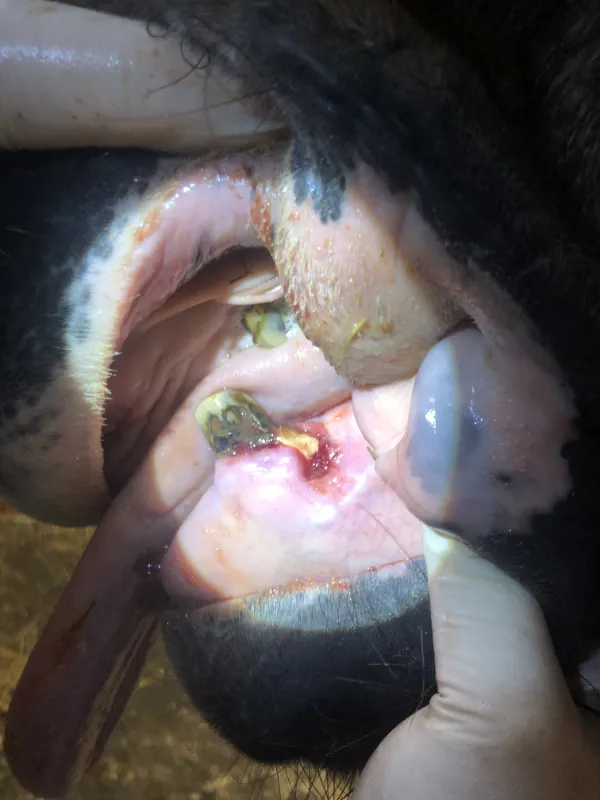
Horses with EORTH often show signs of dental pain: excessive salivation, struggling to eat, dropping food, bad breath. Dental examination can reveal wobbly teeth with draining tracts where pieces of the roots are being pushed out by the body, the gums are often very inflamed and red.
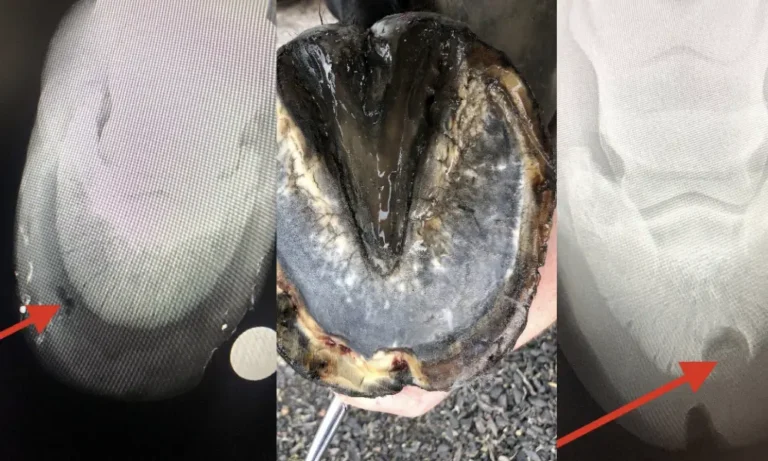
Treatment involves removal of affected teeth. X-rays are often required to identify affected teeth and ensure all the tooth and root are removed. Pain relief and antibiotics may be prescribed.