Equine Sedation
Why do we need to sedate your horse? Preparation Please discuss the risks of procedures with us if you are unsure.

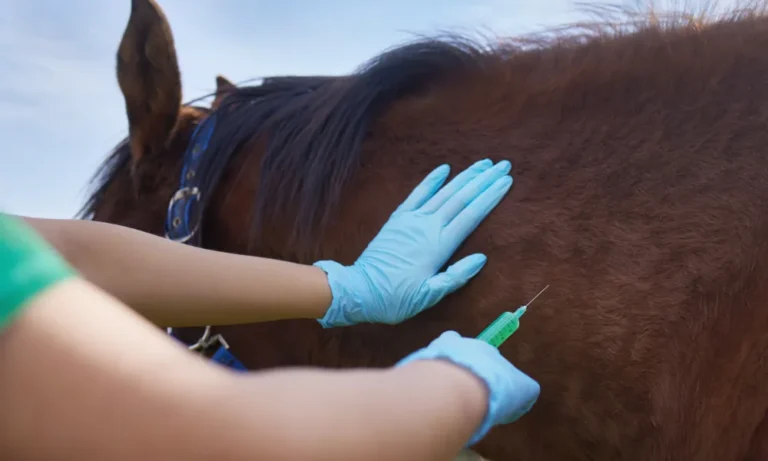
Why do we need to sedate your horse? Preparation Please discuss the risks of procedures with us if you are unsure.
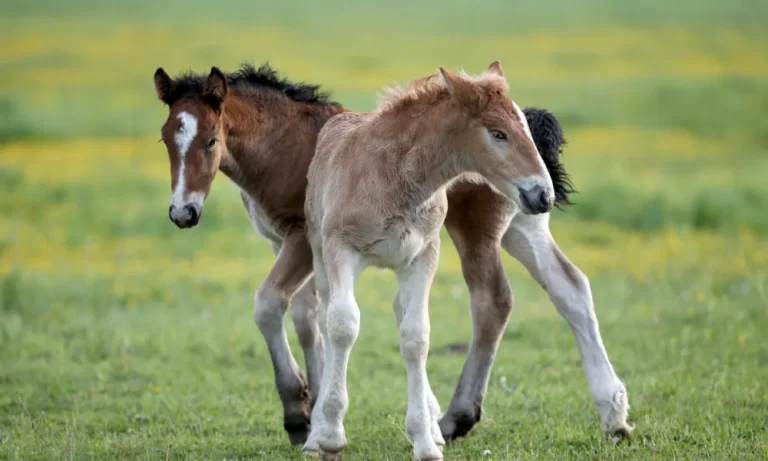
The first foals of the year have safely arrived. We did lots of pregnancy scans last year, so we know there are more on the way. Pre-foaling preparations: Once the foal has arrived safely please contact us to book an appointment to examine both mare and foal within 24 hours of birth. If you have…
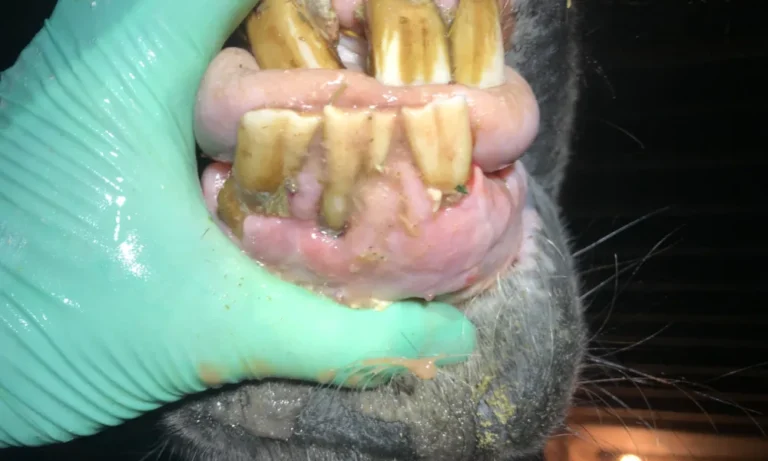
Equine odontoclastic tooth resorption and hypercementosis (EORTH) Equine odontoclastic tooth resorption and hypercementosis (EORTH) more commonly affect older horses. EORTH is caused by the horse’s own immune system attacking the tooth roots and causing them to be resorbed, to try and keep the affected teeth the body lays down cementum around where the root would…
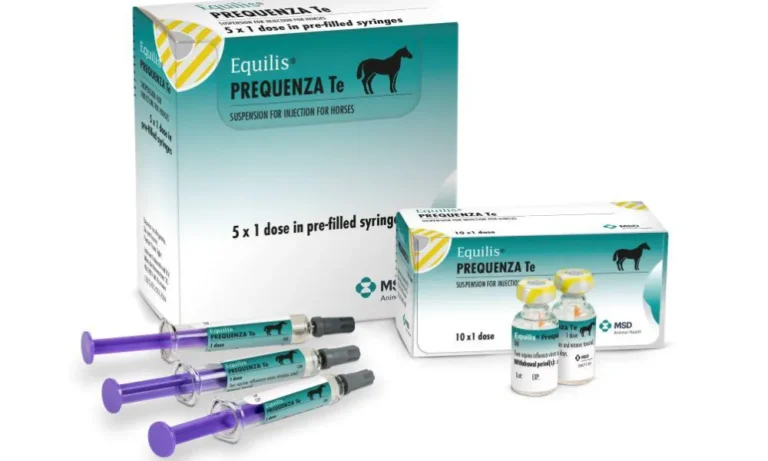
Vaccinations We advise that all horses are vaccinated against Equine Influenza and Tetanus. Vaccination protects them against life-threatening or severe illnesses. Tetanus caused by the bacterium Clostridium tetani can be found in the soil and environment and infects horses through wounds (big and small). Tetanus is rarely transmitted between horses. Vaccination stimulates the horse’s immune…
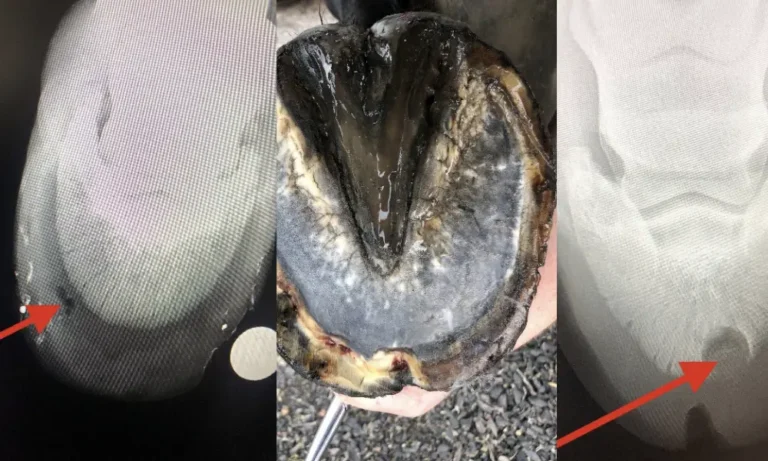
Foot Abscess Equine foot abscess is a common and painful condition affecting horses, characterised by the accumulation of purulent material within the hoof. This ailment often arises from bacterial infection, typically entering the hoof through a break in the protective hoof wall or sole. Equine foot abscesses can be particularly challenging for horse owners and…
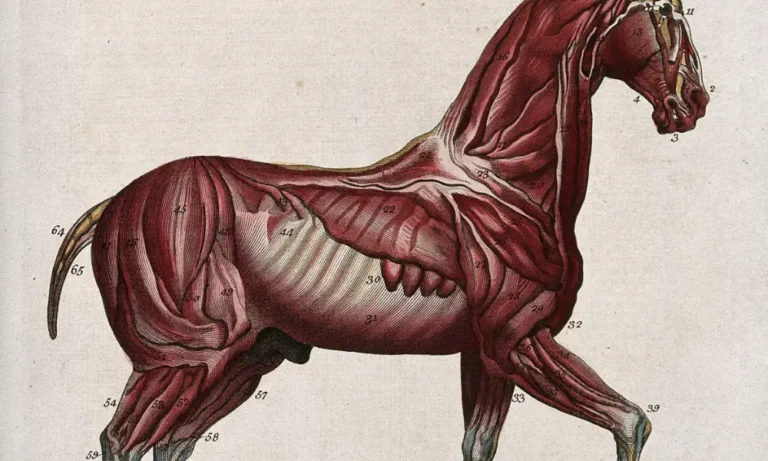
Muscle diseases or myopathies can be genetic or spontaneous (occur during adult life). The different types of myopathies can be put into these broad categories. Sometimes the term rhabdomyolysis is also used and refers to the breakdown of the muscle. Tying up and Azoturia are terms that are also used. Genetic disorders: Spontaneous:


