
Equine Muscle Disease
Muscle diseases or myopathies can be genetic or spontaneous (occur during adult life). The different types of myopathies can be put into these broad categories. Sometimes the term rhabdomyolysis is also used and refers to the breakdown of the muscle. Tying up and Azoturia are terms that are also used.
Genetic disorders:
- Recurrent exertional rhabdomyolysis (RER):.
- The most common myopathy. Most commonly affects thoroughbreds.
- Clinical presentation: Muscle tightness, reluctant to move, sweating, painful to touch.
- Diagnosis is on examination with confirmation by blood tests which reveal elevated enzymes involved in muscle breakdown.
- Management involves diet changes to reduce carbohydrate intake and provide calories as fats. Maintaining regular exercise routines. Maximising turnout. Avoiding stress.
- Polysaccharide storage myopathy (PSSM):
- Most commonly affects draught breeds, quarter horses and warmbloods.
- Repeated bouts of myopathy and ongoing problems such as poor performance, stiff gait, weakness, shivering gait and muscle loss.
- Caused by a glycogen storage disorder within muscle fibers due to a genetic mutation.
- GYS1 mutation = Type 1 PSSM
- No GYS1 mutation when blood tested but abnormal glycogen storage on muscle biopsy (biopsy sample) and clinical signs = Type 2
- Diagnosis is on examination, blood tests for muscle enzymes and most importantly muscle biopsy with examination under a microscope (histopathology).
- Unfortunately, genetic tests are not currently validated for diagnosis but may be useful for breeding stock.
- Management involves a feeding and exercise routine, high fat low carbohydrate/starch diet as with RER. Commercial feeds formulated with high oil density are available and most palatable by adding oil + Vitamin E to feed.


Spontaneous:
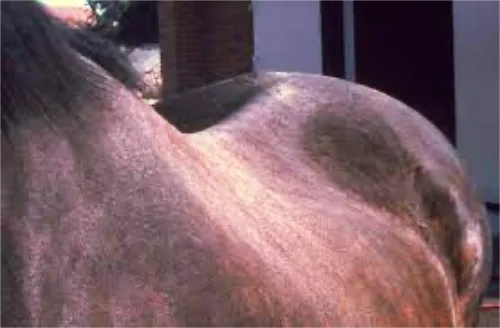
- Fibrotic myopathy
- Occurs due to trauma, over exertion or intramuscular injections. Physio or surgery may help.
- Atypical myopathy
- Mostly occurs in young horses (<3yo) that have been grazing due to ingestion of a toxin in the sycamore seeds.
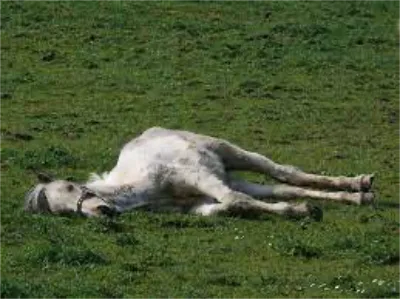
- Sadly, horses are often found recumbent (unable to stand) or dead. Earlier presentation will include sudden onset muscle weakness, stiffness and respiratory difficulty. Dark brown urine is due to muscle breakdowns products (myoglobin) in the urine.
- Diagnosis is based on presentation with confirmation by bloods tests and urine analysis.
- Intensive care is required quickly involving intravenous fluids, pain relief, muscle relaxants.
- Fields with sycamore seeds should be avoided or all seedling picked up, supplement hay/haylage when limiting grazing in these fields.
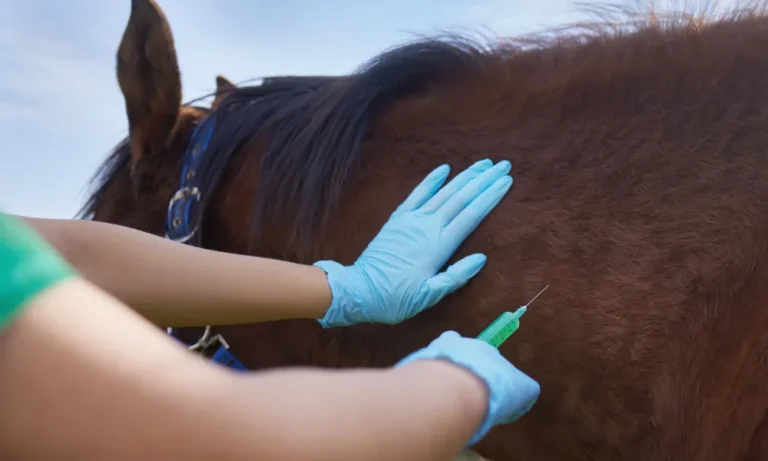
- Muscle injection site reactions
- Abscesses (infection) or generalised soreness can occur after injection into muscles.
- PPID/Cushings:
- Muscle wastage +/- weight loss and dullness may occur with Cushings.