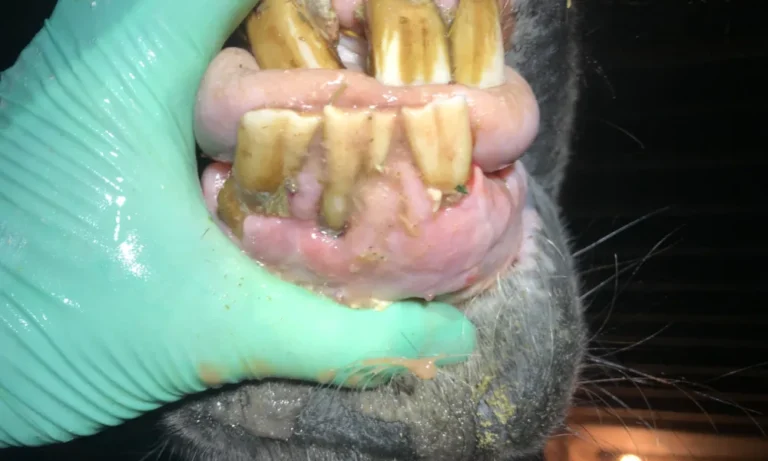

Foot Abscess
Foot Abscess
Equine foot abscess is a common and painful condition affecting horses, characterised by the accumulation of purulent material within the hoof. This ailment often arises from bacterial infection, typically entering the hoof through a break in the protective hoof wall or sole. Equine foot abscesses can be particularly challenging for horse owners and caretakers due to the discomfort they cause the animal and the difficulty in identifying the exact location of the abscess. Lameness, swelling, and increased digital pulse are among the prominent clinical signs, necessitating prompt diagnosis and appropriate treatment to alleviate the horse’s pain and facilitate a speedy recovery.
- Common disorder causing sudden onset lameness.
- Due to bacterial infection inside the hoof wall or under the sole.
- Causes:
- Dirt tracking up small crack
- Penetration e.g. nail, grit
- Tumour e.g. keratoma
- Laminitis
- Septic osteitis (infection of the pedal bone) may also occur due to a chronic unresolved and deep abscess.
- Presentations:
- Sudden onset lameness
- Resting or holding foot in the air
- Heat in the hoof wall
- Increased digital pulses
- Pus draining from abscess site
- Lower limb swelling
- Reaction to hoof testers.
- Treatment:
- Poulticing and soaking of the foot to soften the horn and release trapped pus and dirt.
- Paring the hoof to allow drainage of pus and release the pressure.
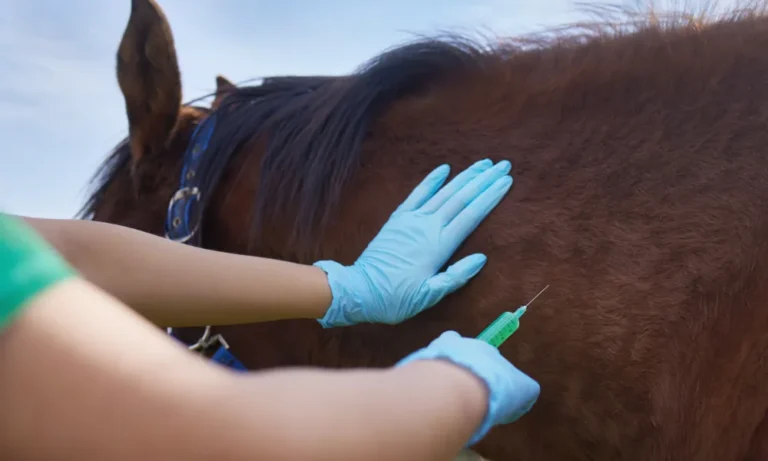
- Unvaccinated horses should receive a tetanus anti-toxin.
- Uncomplicated foot abscesses should resolve within 1 week.
- Anti-biotics are only used if there is further infection of soft tissue (cellulitis) or the pedal bone.
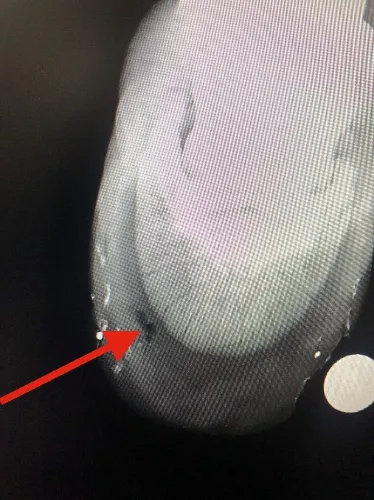
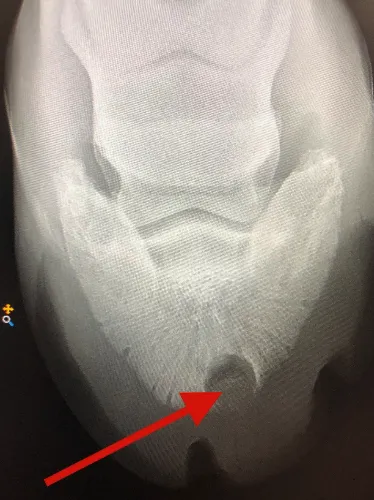
- X-rays may be required if the foot abscess does not resolve to assess structures inside the foot.

- Prevention:
- Regular foot trimming by a registered farrier.
- Dietary biotin to improve horn growth and quality.
- Control of concurrent diseases e.g. Cushings/PPID, laminitis.
- Management changes – avoid horses standing in excessively waterlogged paddocks for long periods.